How a Mentor Helped Me Land My First R&D Role in Paris
A personal story about navigating the French job market, finding the right guidance, and landing a dream job in research and development.
Starting Over in a New Country
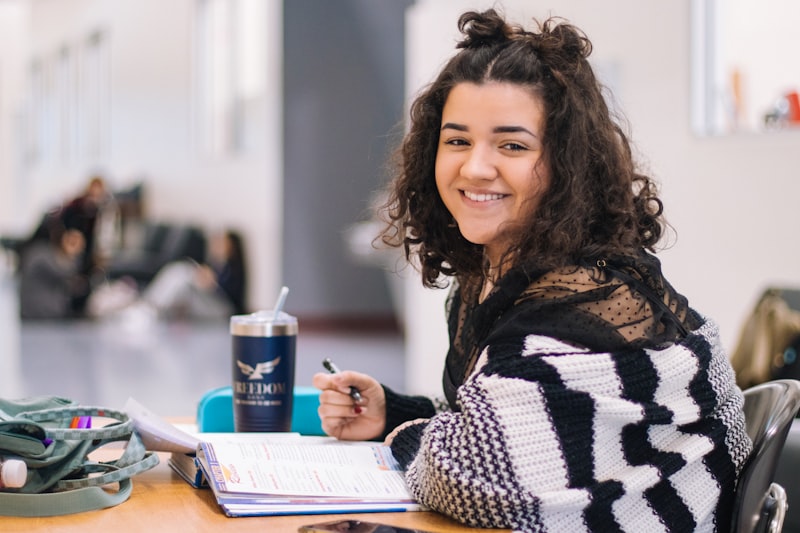
Three years ago, I moved to Paris from Morocco. I had a master's degree in chemical engineering from a good university in Casablanca. I had work experience. I spoke French fluently. On paper, I was a strong candidate. But the reality was much harder.
I sent out dozens of applications. I heard back from almost no one. The few interviews I got went nowhere. One recruiter told me that my degree was not recognized in France. Another said that I did not have local experience. I felt like I was banging my head against a wall.
I started to doubt myself. Maybe I was not good enough. Maybe I had made a mistake coming here. Maybe I should just give up and go back home. My savings were running out. I took a part time job at a cafe just to pay rent. Every day, I would serve coffee to people who had the kind of job I wanted. It was humiliating.
I was lonely too. I did not know many people in Paris. My family was far away. I had no one to talk to about my struggles. I would lie to my mother on the phone, telling her everything was fine. Meanwhile, I was crying myself to sleep most nights.
Finding Help When I Least Expected It
One evening, a customer at the cafe noticed that I was reading a technical journal during my break. Her name was Sophie. She was a senior researcher at a pharmaceutical company. She asked me what I was reading. We started talking. I told her about my background, my master's degree, my failed job search.
Sophie listened. Then she said something I will never forget. You have the qualifications. You have the skills. What you are missing is not technical. You are missing a network. In France, who you know matters as much as what you know. Especially in R&D.
She offered to help. Not by giving me a job, but by introducing me to people. She invited me to a networking event for women in STEM. She connected me with a colleague who worked in a field I was interested in. She became my mentor without either of us using that word.
Over the next few months, Sophie taught me how the French job market really works. She explained the importance of the lettre de motivation. She told me that my CV needed to be formatted differently. She introduced me to the concept of the réseau, the professional network that opens doors in France.
She also gave me something more important. She gave me hope. She told me about her own journey. She had moved to Paris from Lyon years ago and struggled too. She had been rejected from jobs. She had felt like an outsider. But she kept going. And eventually, she found her place.
The Turning Point
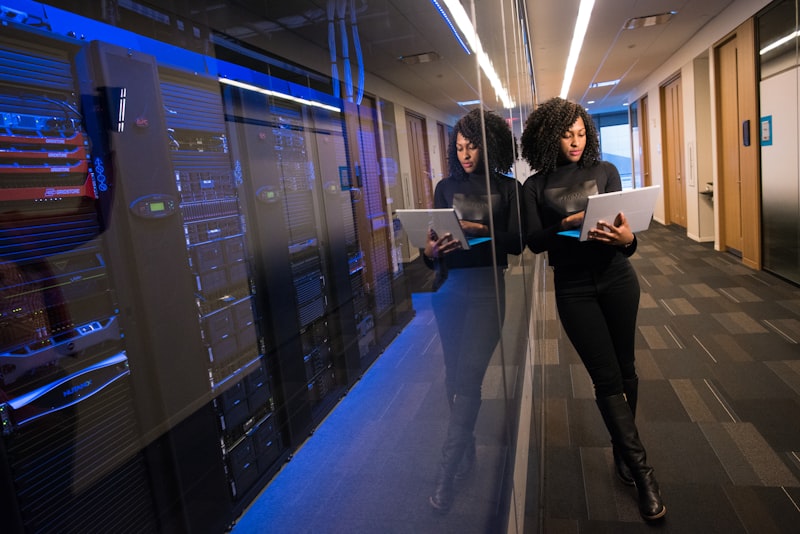
With Sophie's help, I rewrote my CV and cover letter. She introduced me to three people in her network. One of them worked at a biotech company in the outskirts of Paris. That person passed my CV to the hiring manager. For the first time in months, I got an interview without having to apply through a portal.
The interview process was intense. Three rounds. Technical tests. Presentations. Each time, I called Sophie afterwards to debrief. She helped me prepare for the next round. She told me what questions to expect. She coached me on how to talk about my experience in a way that French hiring managers would appreciate.
When the offer finally came, I could not believe it. An R&D role at a company doing exactly the kind of work I had dreamed of. The salary was good. The team seemed supportive. I signed the contract with shaking hands.
I called Sophie immediately. She was not surprised. She had believed in me from the beginning, even when I did not believe in myself. She said something that I have repeated to myself many times since. You earned this. I just opened a door. You walked through it on your own.
Life as an R&D Engineer
My first few months on the job were challenging. I had to learn new systems, new processes, new ways of working. There were days when I felt completely lost. But I had Sophie. We still met for coffee once a month. She helped me navigate office politics. She advised me on how to build relationships with my new colleagues.
I also started to find my own footing. I realized that my background was actually an asset, not a liability. I had perspectives that my French colleagues did not. I asked questions that no one else thought to ask. I brought ideas from my training in Morocco that were new to the team.
Slowly, I stopped feeling like an outsider. I started to feel like I belonged. I made friends at work. I joined a women in STEM group in Paris. I started to build my own réseau. The city that had felt so cold and unwelcoming began to feel like home.
Last month, I celebrated two years at my company. I have been promoted once. I lead a small team now. And I have started mentoring other women, especially those who are new to France. I want to be for them what Sophie was for me.
Becoming a Mentor Myself
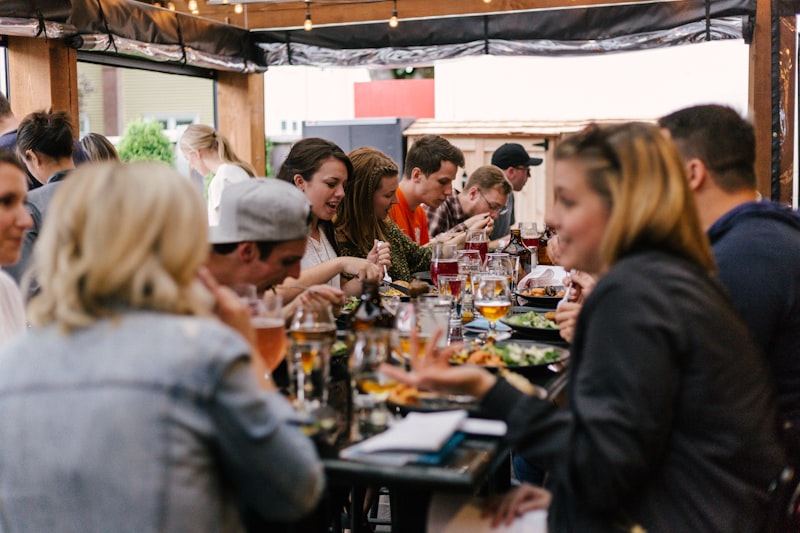
My first mentee is a young woman from Tunisia. She has a PhD in biochemistry. She moved to Paris last year and was struggling to find work, just like I was. When I heard her story, I knew I had to help.
Working with her has been incredibly rewarding. I have helped her with her CV. I have introduced her to people in my network. I have coached her on interviews. She is still looking for the right role, but she is getting more interviews now. She is more confident. She is not giving up.
Helping her has also helped me. It reminds me how far I have come. It forces me to articulate things I have learned. It keeps me connected to the struggles that shaped me. I do not want to forget what it felt like to be new and scared and alone. That memory makes me a better mentor.
Sophie and I still talk. We meet for coffee every few months. She has become a friend, not just a mentor. Last time we met, she told me she was proud of me. That meant more than any professional recognition I have ever received.
What I Want You to Know

If you are reading this and you are struggling to find your place in STEM, please know that you are not alone. I have been where you are. It is hard. It is unfair. It can feel impossible. But it is not.
You need two things. You need persistence. You need to keep applying, keep learning, keep showing up even when it feels pointless. And you need people. You need a network. You need mentors who believe in you and open doors for you.
The good news is that those people exist. They are out there, working in labs and offices and companies all over Paris. Some of them are waiting for someone like you to reach out. Some of them were once in your position and remember how it felt.
So reach out. Send that message. Go to that networking event. Ask for that coffee chat. The worst that can happen is they say no. The best that can happen is a relationship that changes your life.
And one day, when you have found your footing, become a mentor yourself. Help the next woman who is where you used to be. That is how we build a stronger, more inclusive STEM community in Paris and beyond.
Funded by


© Copyright SCWIST 2026
MakePossible was created by SCWIST
(Society for Canadian Women in Science and Technology)
With project funding support from Women and Gender Equality Canada
Disclaimer
The MakePossible community provides a great opportunity to learn and gain insight from our Subject Matter Experts (SMEs) and further support from other community members and mentors. Although some resources may be shared on our behalf, MakePossible is in no way providing formal advice for your professional or personal matters. Please use your own discretion when consulting any of the materials shared here.